
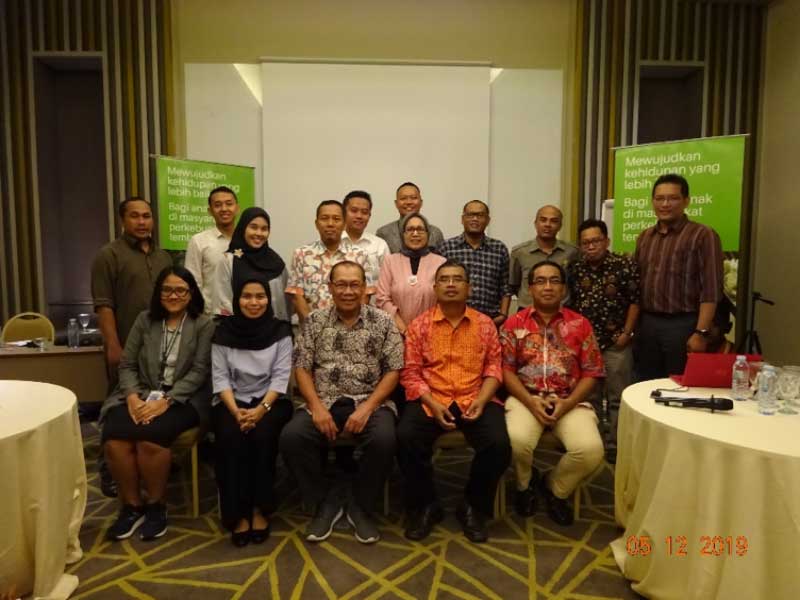
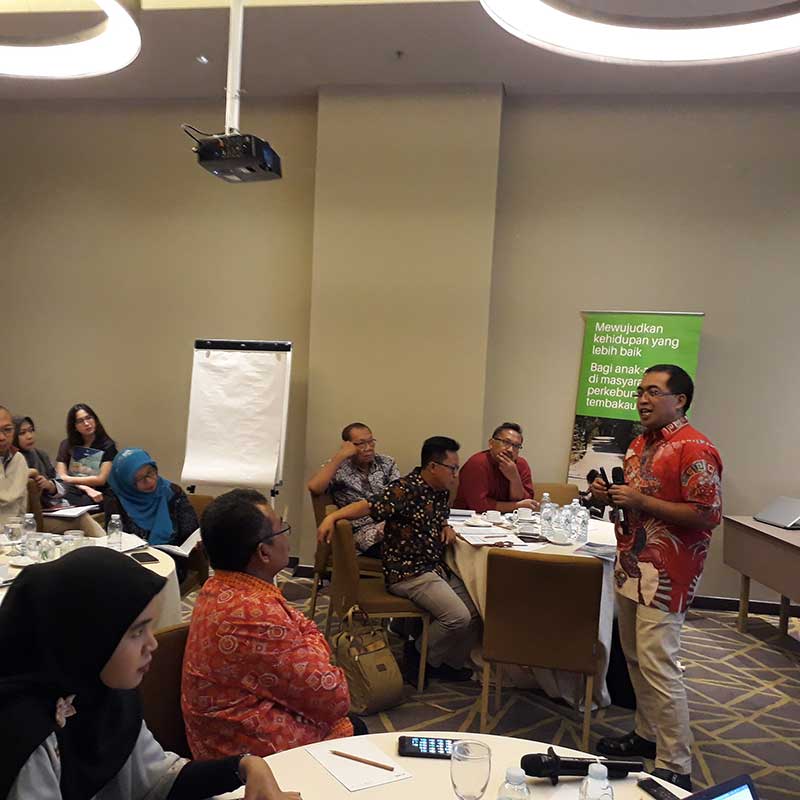
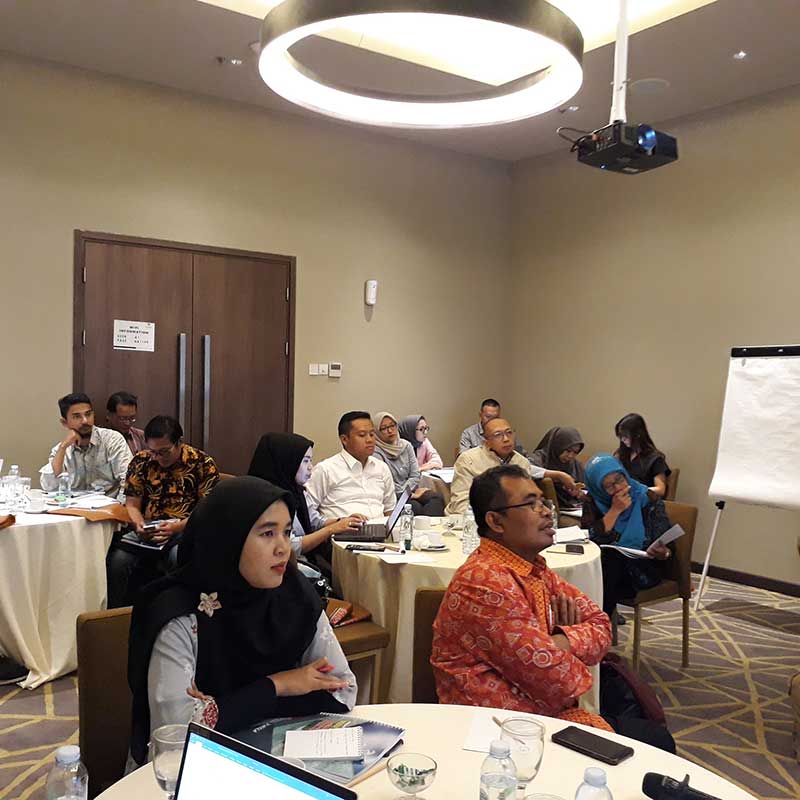
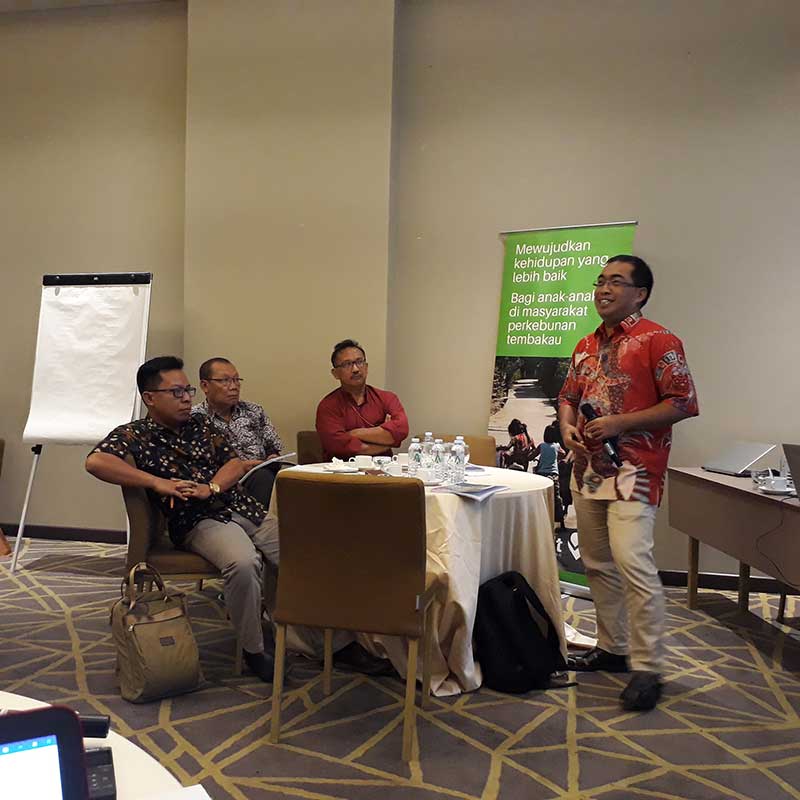
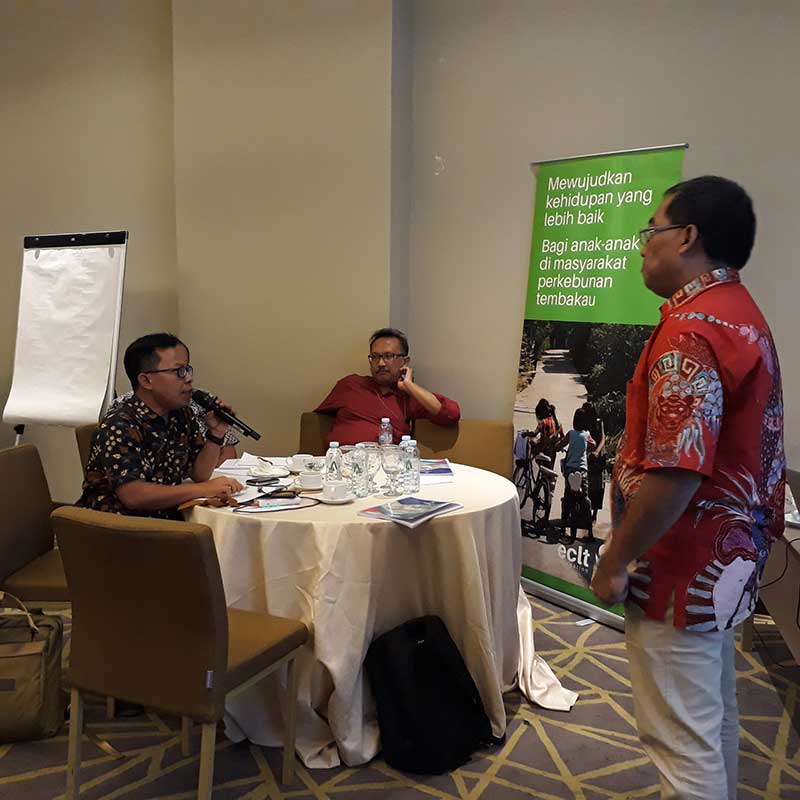
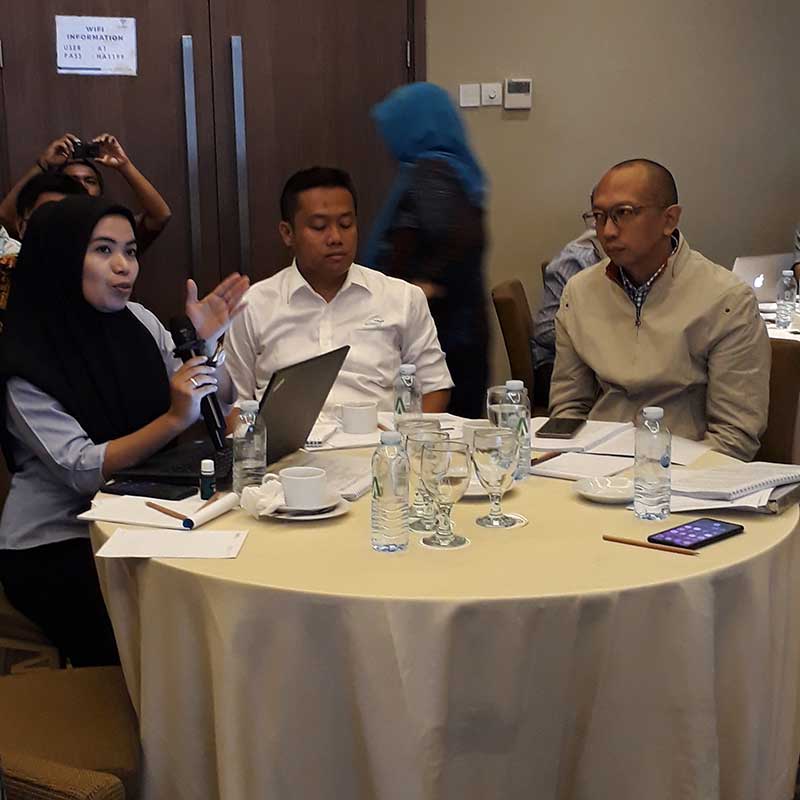
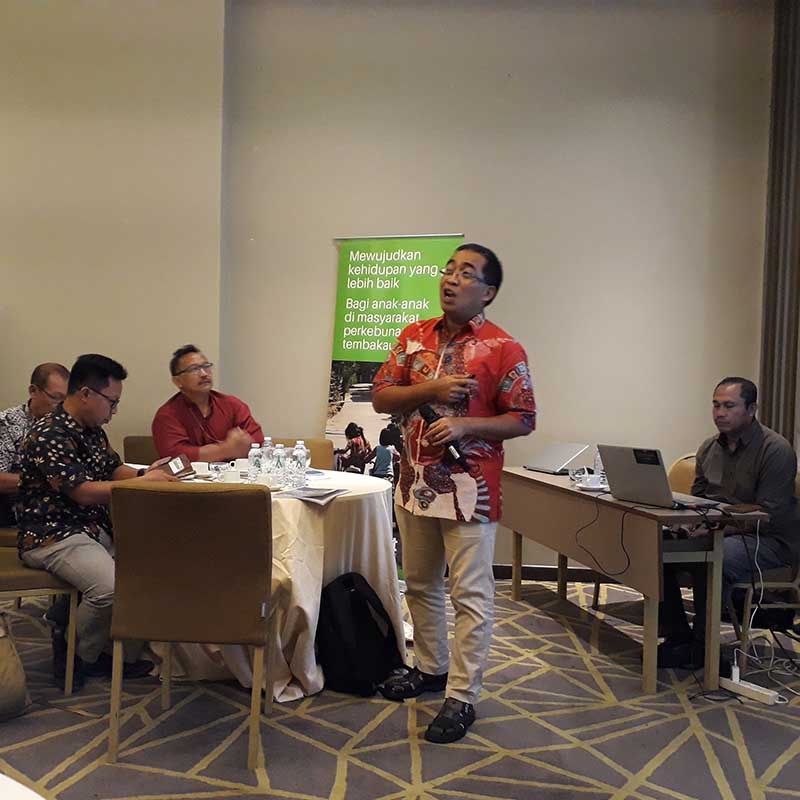
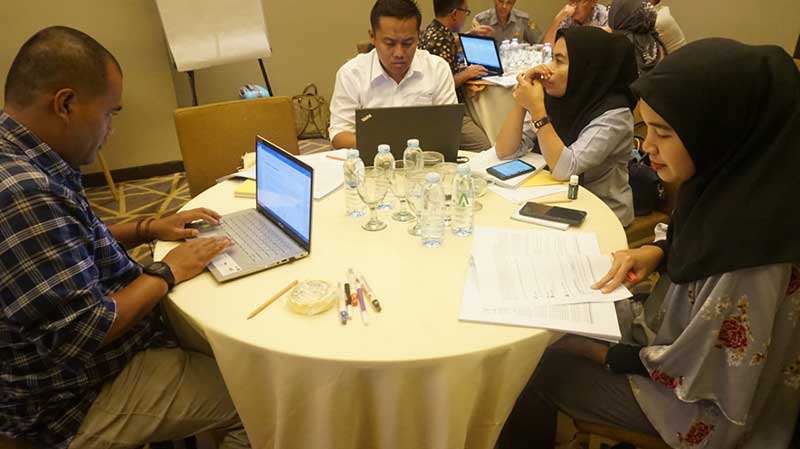
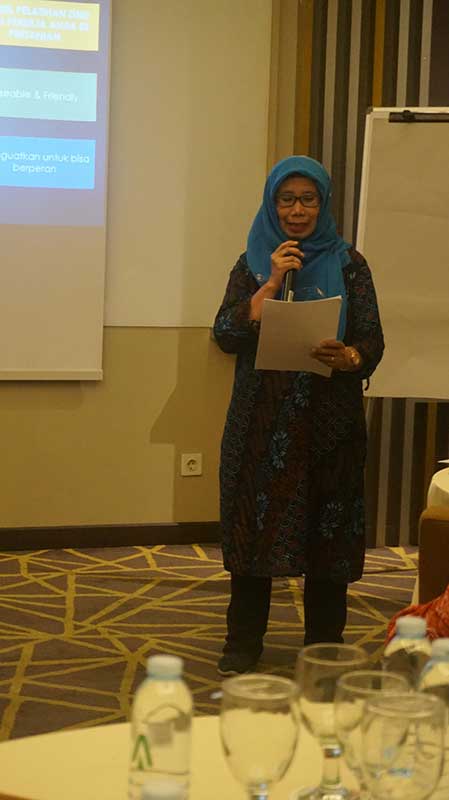
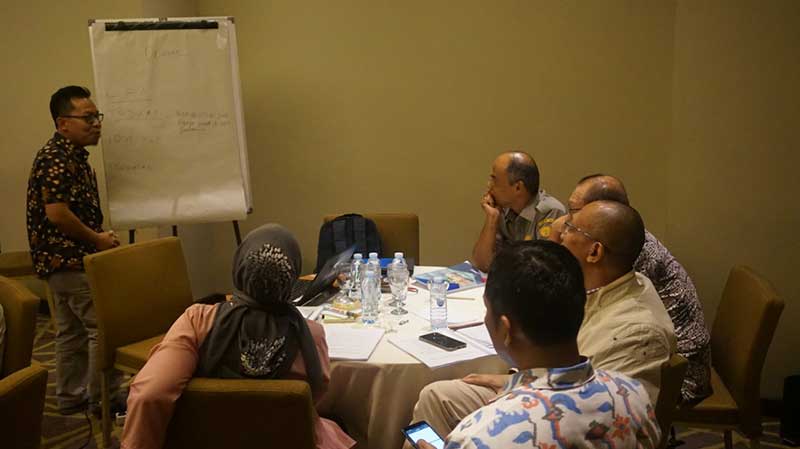
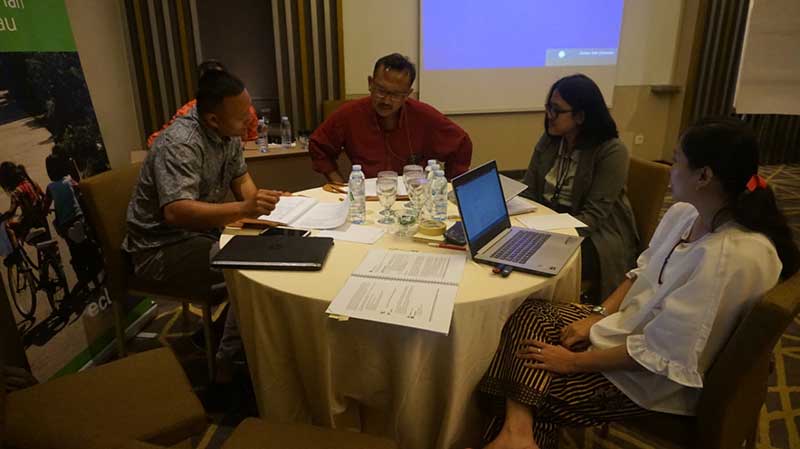
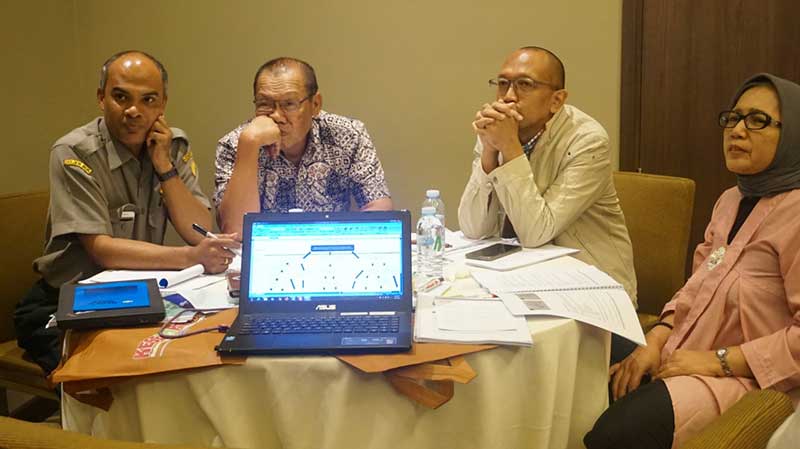
Workshop on Adaptation of Training Module on Design, Management and Evaluation (DME) for Tackling Child Labour was held on Thursday, 5 December 2019. Organized by National Secretariat of PAACLA Indonesia, it was attended by 21 participants from government, bussines sector, farmers' associations, and NGOs representatives. In addition to sharing the draft adapted module, the workshop also aimed to seek inputs from participants so that it can be finalised to train PAACLA members.
The workshop is also part of the capacity development for PAACLA members. The partnership that was established in 2018 requires an instrument to encourage the involvement of various parties in efforts to address child labour issues in agricultural sector, a sector which harbour most of child labourers in Indonesia (58% of all child labourers, Statistics Indonesia). Hence, support is needed to ensure that the issue can be immediately addressed and Child Labour-Free Indonesia in 2022 could be achieved. It is expected more organisations will join PAACLA as members to advocate and implement action programmes to tackle the child labour issues in agriculture.
The module consists of four sections, i.e. understanding child labour issues, understanding framework, designing action programme, program management, evaluation and monitoring. Historically, this module is a guide that mobilises child protection activists in initiating steps to eliminate child labour in Indonesia. Since 1993, the ILO has used this module to train many activists in developing action programs. NGO Network for the Elimination of Child Labour (JARAK) then had adapted this module into a simpler version and trained its members in 2009. Now, the module has been adapted again for more specific needs, looking at the situation and conditions of child labour in the agricultural sector.
The Ministry of National Development Planning (Bappenas)—that has been paying great attention in addressing child labour issues—is excited because PAACLA has the module that are ready to be used to train its members. This is in line with the priority and policy for development implementation over the next five years. The Indonesia’s Development 2020-2024 is aimed to develop the quality and competitive human resources to be healthy, intelligent, adaptive, innovative, skilled and with character. Bappenas welcomes the strategic partnership program to address child labour in the agricultural sector as part of an effort to eliminate child labour in Indonesia.
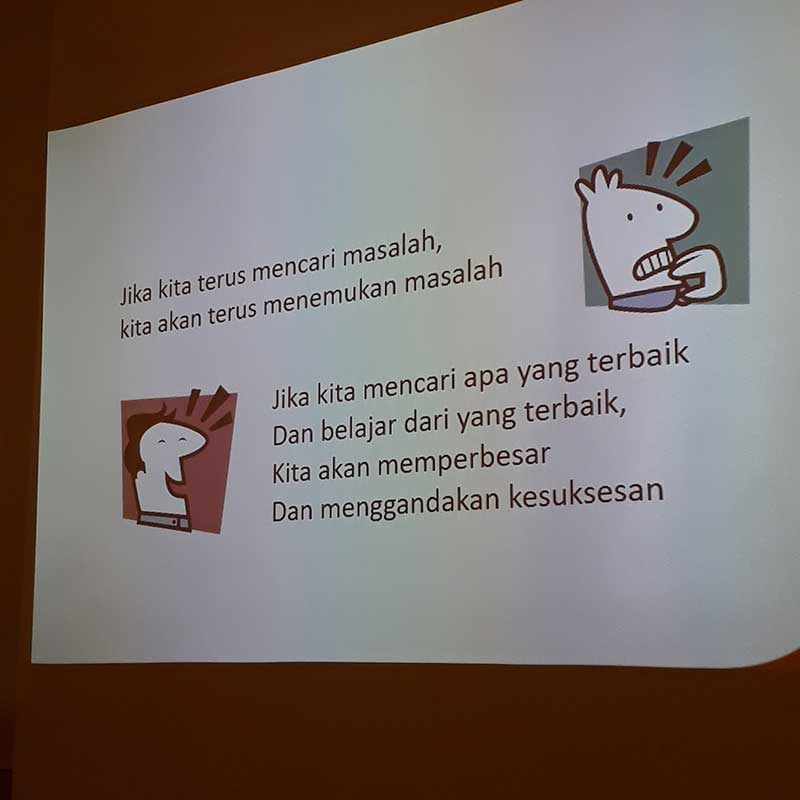
Ms. Abdul Hakim, the consultant, used the Appreciative Inquiry Approach in adapting the DME module. The approach rewards good experiences from previous programs and participants are invited to "dream little by little" and realize "what is possible".
Participants paid attention in examining the elements of the module and emphasise the importance to apply the learning process, story of change and most of significant change in looking at the progress of on going programmes. Furthermore, as the module will later produce individuals and institutions that are concerned with the situation of child labour, an understanding of children's rights and their application in programme planning are also essential. This input from participants is valuable for the module adaptation. Don’t we want the effort to eliminate the child labour to be part of the realization and fulfilment of children’s rights in Indonesia? Agreed!
Photo Gallery
Author: VBL Officer
Business Sector: 5 (PT. AOI, WILMAR, BAT, Hail & Cotton, JTI)
Government: 4 (Bappenas, kppppa, kemendes, kementan)
NGO: 4 (JARAK, ILO, PKPA, Konsil LSM)
Consultant: 1 (smeru)
Trade unions and associations: 1 (SPKS)